In the industrial landscape, the choice of components can significantly impact operational efficiency. Plastic sprockets are gaining traction as reliable, lightweight alternatives to traditional metal sprockets. According to a 2022 industry report by MarketsandMarkets, the global plastic sprocket market is expected to grow by 8% annually over the next five years. This trend reflects the increasing preference for materials that reduce weight while maintaining strength and durability.
Dr. Susan Lee, a respected expert in polymer engineering, emphasizes the advantages of plastic sprockets, stating, “The versatility of plastic materials allows for innovative designs that enhance performance and reduce maintenance.” These sprockets offer resistance to corrosion and wear, attributes that many industries seek for long-term sustainability. However, it’s essential to consider specific application demands when selecting materials.
While plastic sprockets present numerous benefits, they may not always be the best choice for high-load scenarios. Industry practitioners should evaluate their specific needs, weighing factors like cost, performance, and longevity. A deeper understanding of material properties is key. As we navigate this evolving market, careful consideration will determine the success of integrating plastic sprockets into production systems.
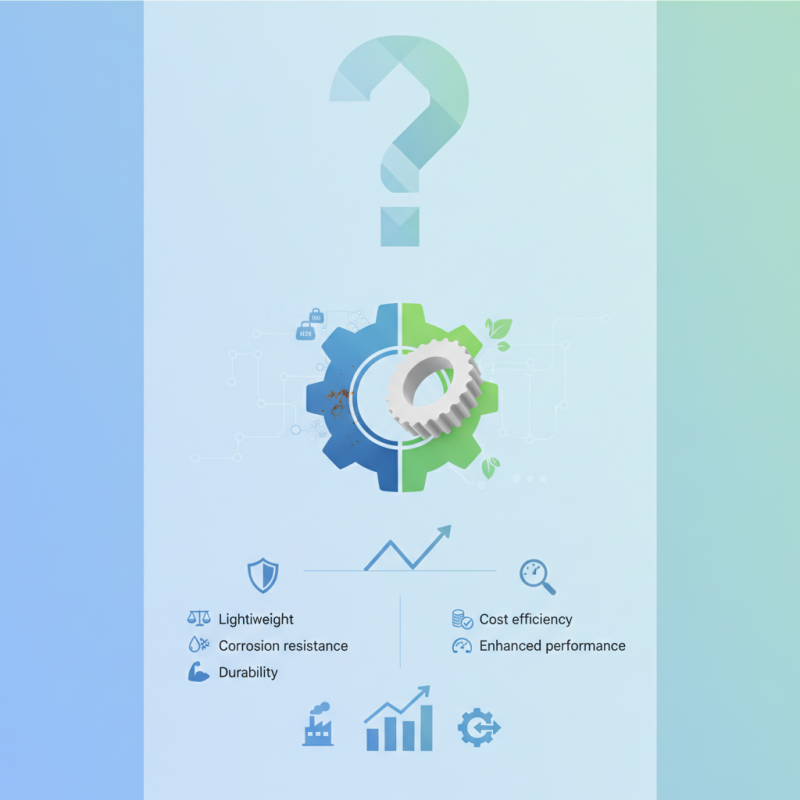
Plastic sprockets have gained popularity in various industrial applications. One key advantage is their lightweight nature. They are easier to handle and install. Metal sprockets can be cumbersome. This reduction in weight can lead to lower energy consumption in machinery.
Another benefit is their resistance to corrosion. Unlike metal, plastic sprockets do not rust. This makes them ideal for environments where moisture is present. They can last longer in such conditions. Additionally, plastic sprockets often produce less noise during operation. This can create a more comfortable workspace.
It’s important to consider the limitations of plastic sprockets as well. They may not handle high temperatures as effectively as metals. In applications that involve extreme heat, metal might be a better choice. Furthermore, some plastic materials can wear down faster under heavy loads. Evaluating the specific needs of your machinery is essential. Selecting the right material can significantly impact performance and longevity.
Plastic sprockets are becoming increasingly popular in various industrial applications. Their versatility is a key advantage. In conveyor systems, for example, plastic sprockets reduce noise and vibration while providing efficient power transmission. According to a recent industry report, the use of plastic components can lower mechanical wear by up to 50%, enhancing the longevity of machinery.
In food processing, plastic sprockets prevent contamination due to their corrosion-resistant nature. They are lightweight yet durable, making them ideal for high-speed environments. Many manufacturing plants are shifting to plastic options to meet hygiene standards. Studies show that maintenance costs decrease by nearly 30% when opting for plastic sprockets over traditional metal ones.
**Tip:** When selecting a plastic sprocket, consider the environmental conditions. Temperature and exposure to chemicals can impact performance.
Another crucial area is the textile industry, where plastic sprockets are used in weaving and knitting machines. Their ability to withstand heavy loads while operating at high speeds is essential. A notable challenge is ensuring proper alignment; misalignment can lead to increased wear and potential failure.
**Tip:** Regular inspections can prevent alignment issues. Early detection saves time and money.
Ultimately, plastic sprockets blend innovation with practicality, catering to various industrial needs. Their unique properties, alongside industry insights, underline their growing significance in the manufacturing sector.
When considering sprockets for industrial applications, the material used plays a crucial role. Plastic sprockets often outshine their metal counterparts in various ways. They are lightweight, which can result in energy savings during operation. Additionally, plastic materials, such as nylon or acetal, offer excellent resistance to chemicals and moisture. This makes them ideal for environments that are not friendly to metals.
Choosing the right plastic is essential. Nylon, for example, has a high tensile strength and excellent wear resistance. When manufactured well, it can withstand significant tension without bending. Acetal is another outstanding option, boasting superior dimensional stability. However, it can be more sensitive to certain chemicals.
When considering maintenance and longevity, plastic sprockets provide several advantages. These components often require less lubrication compared to metal sprockets. This characteristic reduces maintenance time and costs. Regular inspections can extend the life of these sprockets significantly. However, over-reliance on their durability may lead to neglect in regular checks.
One key aspect of plastic sprockets is their resistance to corrosion and wear. Unlike metal, plastics do not rust, ensuring they perform well in various environments. This makes them suitable for applications where moisture is a concern. High temperatures can still affect plastic, so attention is needed in extreme conditions. Users should be cautious as some plastics may degrade faster than expected.
While plastic sprockets are versatile, not all are created equal. Some cheaper options may not withstand heavy loads, leading to premature failure. Regular monitoring of wear patterns can help identify issues before they escalate. Striking a balance between cost and quality will ensure optimal performance. Awareness of these factors will lead to more informed decisions in choosing plastic sprockets for industrial needs.
When considering cost-effectiveness in industrial applications, plastic sprockets stand out. They are lighter than metal alternatives, leading to reduced energy consumption. This can result in significant savings over time, especially in large-scale operations. The initial investment may be lower, but the long-term benefits amplify. Plastic sprockets resist corrosion, which reduces maintenance costs.
Another aspect to consider is their durability. Many industries operate in harsh environments. Plastic sprockets can withstand shock and wear better than expected. However, it's crucial to assess the specific application and stress levels. Not all plastic materials are suitable for every environment, and improper choices can lead to failures. Evaluating the conditions is vital for achieving optimal performance.
While the advantages are clear, potential downsides exist. Plastic can suffer from degradation due to UV exposure or extreme temperatures. Regular checks are essential to ensure reliability. That said, the right choice of materials tailored to the operational environment can mitigate these risks effectively. It's all about finding the right balance between cost and performance.
: Plastic sprockets are lightweight, corrosion-resistant, and quieter in operation. They reduce energy consumption and improve workspace comfort.
Plastic sprockets require less lubrication and can lower maintenance costs. However, regular inspections are important for longevity.
Generally, plastic sprockets don't handle high temperatures as well as metal. In extreme heat, metal may be a better choice.
Common materials include nylon and acetal. Nylon offers high tensile strength, while acetal provides superior dimensional stability.
Evaluate the working environment. Consider factors like the temperature range, chemical exposure, and consider testing samples in actual conditions.
Some plastic materials can wear down faster under heavy loads. Monitoring wear patterns is essential to prevent issues.
No, cheaper options may not perform well under heavy loads. Balancing cost and quality is crucial for optimal performance.
Over-reliance on their durability may lead to neglect in regular checks. Awareness of their limitations is important.
They do not rust, making them suitable for humid environments. This improves their performance and longevity in such conditions.
Plastic sprockets are becoming increasingly popular in industrial settings due to their numerous advantages over traditional metal sprockets. They offer lightweight characteristics, which can reduce strain on machinery and improve operational efficiency. Additionally, plastic sprockets exhibit excellent resistance to corrosion and wear, making them suitable for various applications, including conveyors and automated systems.
Furthermore, the material properties of plastics used in sprocket manufacturing contribute to their durability and longevity, often requiring less maintenance compared to metal counterparts. This not only enhances their lifespan but also proves to be a cost-effective solution for businesses, as reduced maintenance and replacement costs can lead to significant savings. Ultimately, choosing plastic sprockets can enhance performance while ensuring economic benefits for industrial operations.

Divistechs Gear Motor