Divistechs Gear Motor
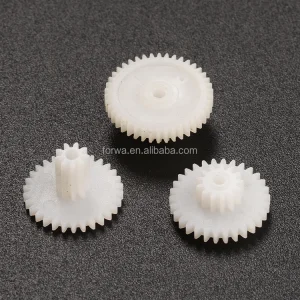
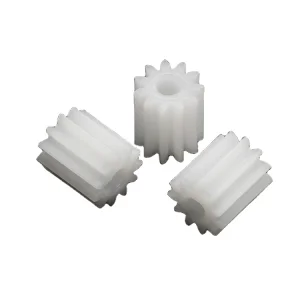
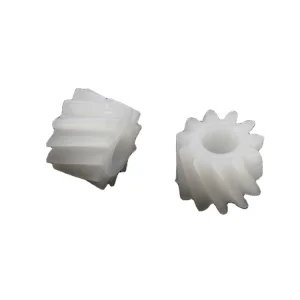
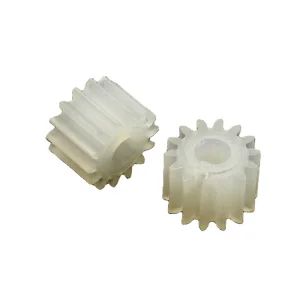
Deep Whitepaper: The Evolution of Precision Plastic Gear Manufacturing
1. The Global Commercial & Industrial Status of Plastic Gearing
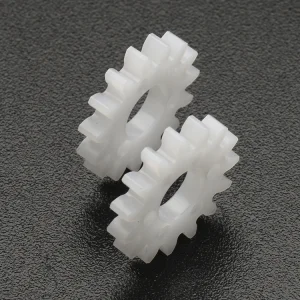
In modern mechanical engineering, the paradigm has shifted from heavy steel and brass gearing systems to high-performance thermoplastic gearing elements. Once limited to low-load, low-precision toys, engineered polymer components now drive safety-critical automotive actuators, medical fluid dosing pumps, and heavy-duty robotic drivetrains. The global plastic gear market is growing rapidly, driven by the demand for lightweight components, corrosion resistance, and low noise across industries.
Advancements in polymer science have allowed plastic gears to operate in environments that were previously hostile to plastics. High-performance polymers, reinforced with carbon fibers, glass beads, or liquid-crystal polymers, are replacing traditional metals. This shift is not just about cost reduction; it represents an upgrade in functionality. Modern plastic gears exhibit self-lubrication, high damping capabilities to absorb mechanical shock, and the ability to operate without contaminating delicate environments like food processing lines or medical chambers.
2. Fundamental Material Sciences & Advanced Polymer Selection
Sourcing from an expert plastic gear factory requires a deep understanding of the base polymers used in injection molding. Each material has unique physical, thermal, and chemical properties that dictate its performance:
- POM (Polyoxymethylene / Acetal): The industry standard for precision gearing. Acetal offers high dimensional stability, low coefficient of friction, high stiffness, and excellent wear resistance. It resists moisture absorption, preventing swelling and maintaining gear profile tolerances in humid environments.
- Delrin (Homopolymer POM): A specialized homopolymer formulation of POM, Delrin provides higher tensile strength and impact resistance compared to standard copolymer acetal. It is the material of choice for high-stress applications requiring cyclic loading resilience.
- Nylon (PA66, PA46, PA12): Renowned for its toughness and impact absorption. Nylon self-lubricates and conforms to slight misalignments under load, distributing stresses across teeth. However, its moisture absorption requires careful calculation of clearance tolerances during design.
- ABS (Acrylonitrile Butadiene Styrene): Ideal for structural parts, light-duty gears, and housings. While it has lower wear resistance than POM or Nylon, its dimensional stability and impact strength make it a cost-effective choice for consumer electronics and domestic appliances.
- PEEK & LCP (Liquid Crystal Polymer): Advanced materials used in aerospace, high-temperature automotive under-hood systems, and medical sterilizable components. They withstand temperatures exceeding 150°C while maintaining mechanical integrity.
3. Structural Advantages: Plastic vs. Metal Gearing Systems
Engineers face a critical choice when designing mechanical transmissions. Here is a technical comparison highlighting the performance advantages of engineered polymers:
Noise Vibration and Harshness (NVH) Reduction: Polymers possess a high material damping capacity. Unlike resonant metals, plastic gears absorb energy from impacts and vibrations, reducing operating noise by up to 10-15 decibels. This is crucial for medical devices, cameras, and home environments.
Self-Lubrication & Maintenance-Free Operation: By blending base polymers with internal lubricants like PTFE, silicone, or graphite, manufacturers produce self-lubricating gears. This eliminates external oiling, preventing grease contamination and reducing system maintenance costs.
Corrosion and Chemical Inertness: Metals oxidize in the presence of moisture, acids, or industrial chemicals. Thermoplastics like POM and Nylon resist corrosion, making them suitable for water meters, chemical pumps, and outdoor marine applications.
4. Technological Roadmap & Manufacturing Tooling Complexity
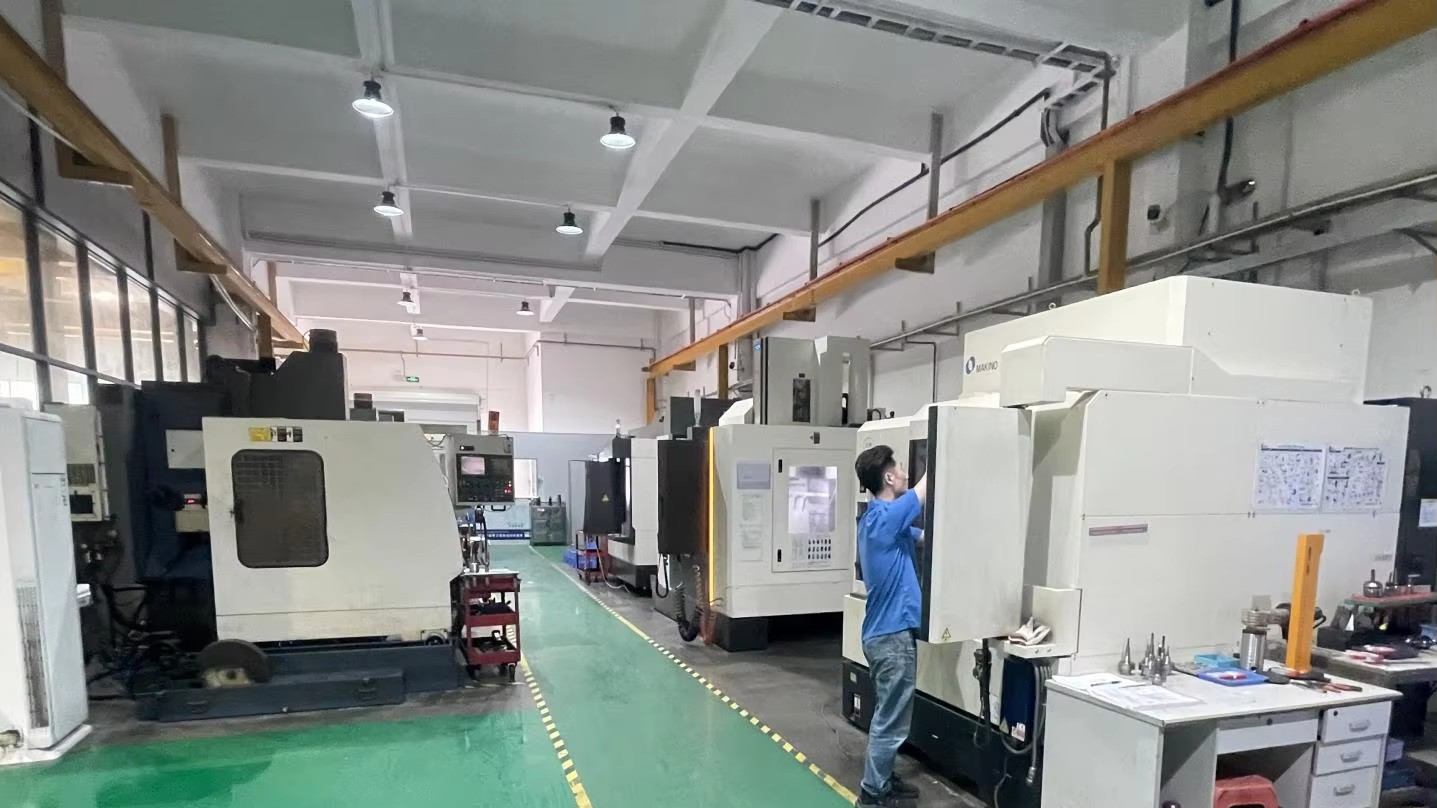
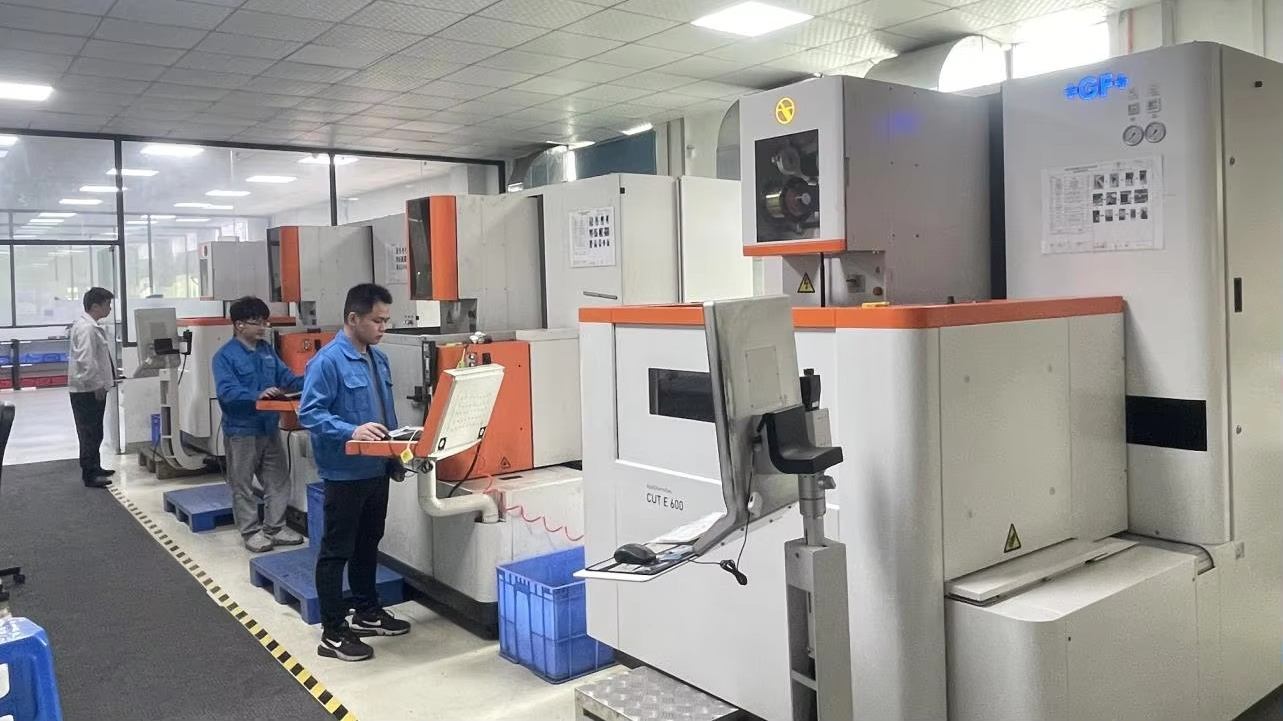
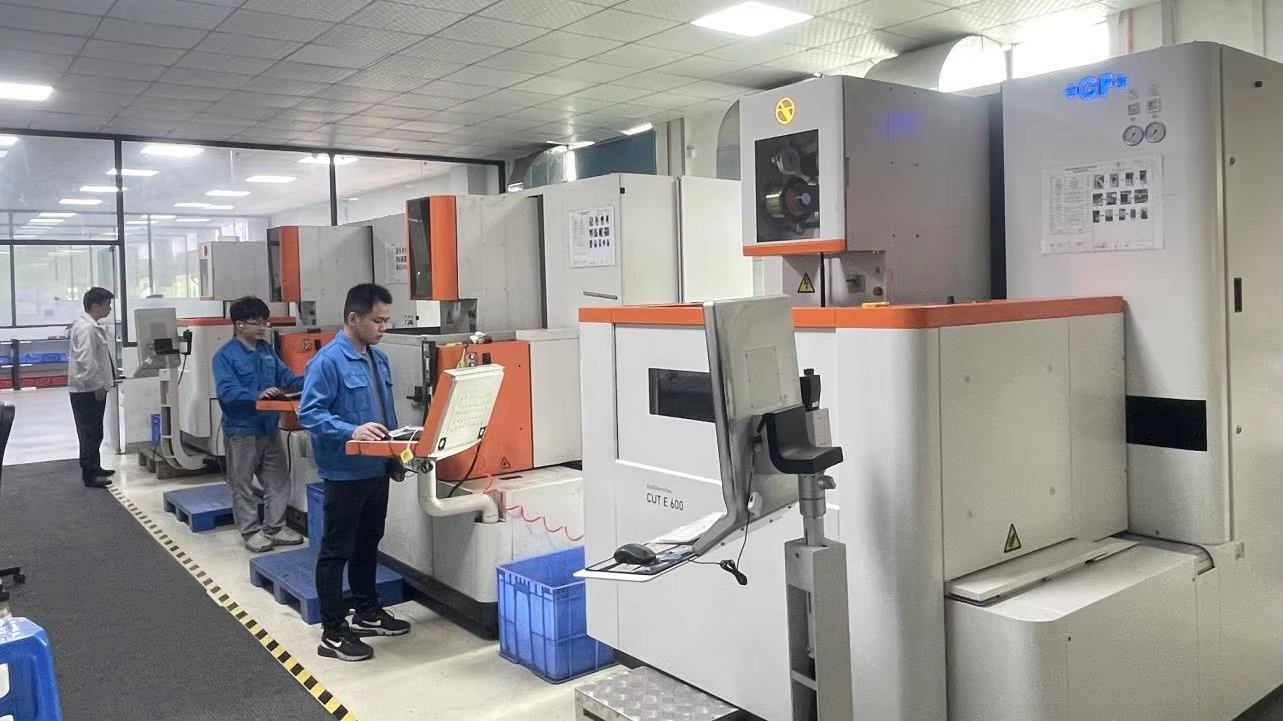
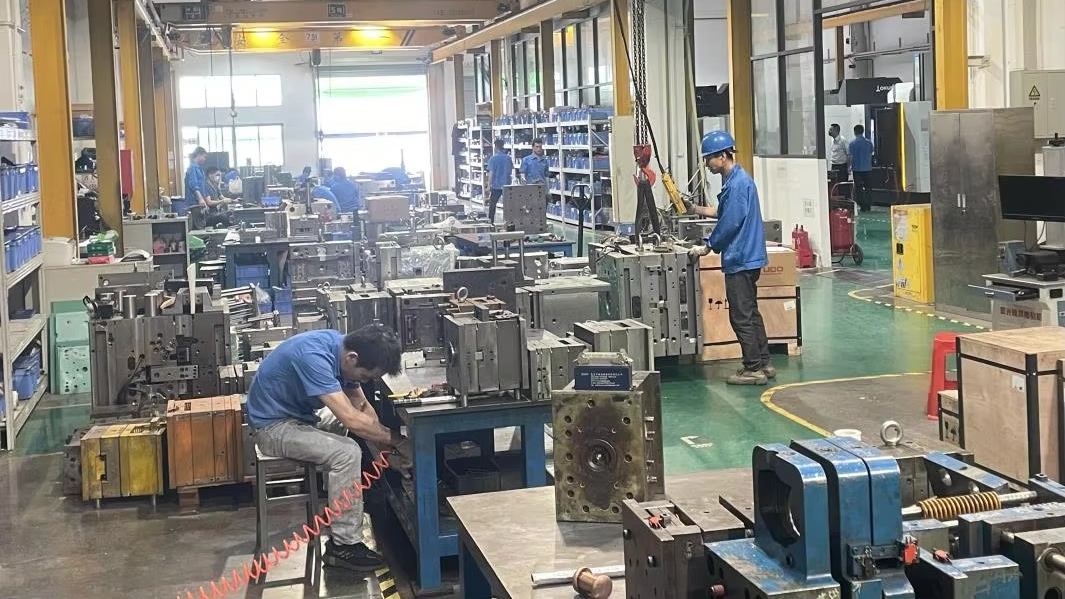
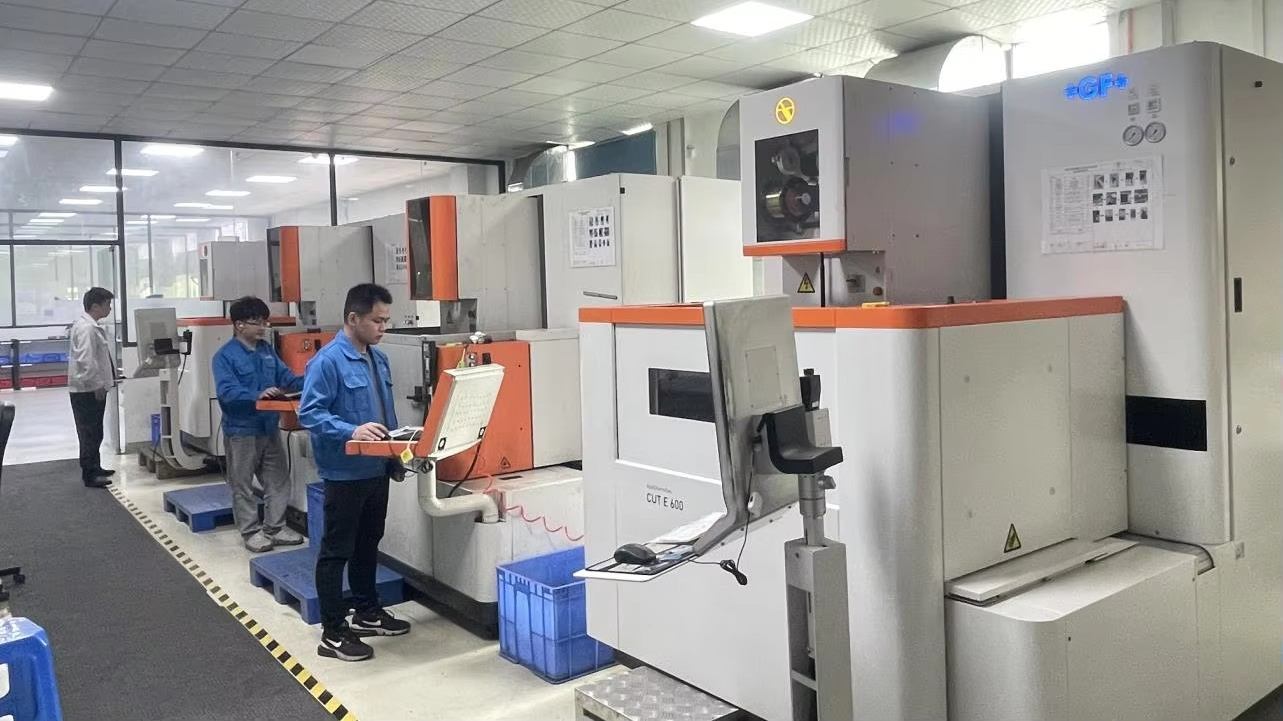
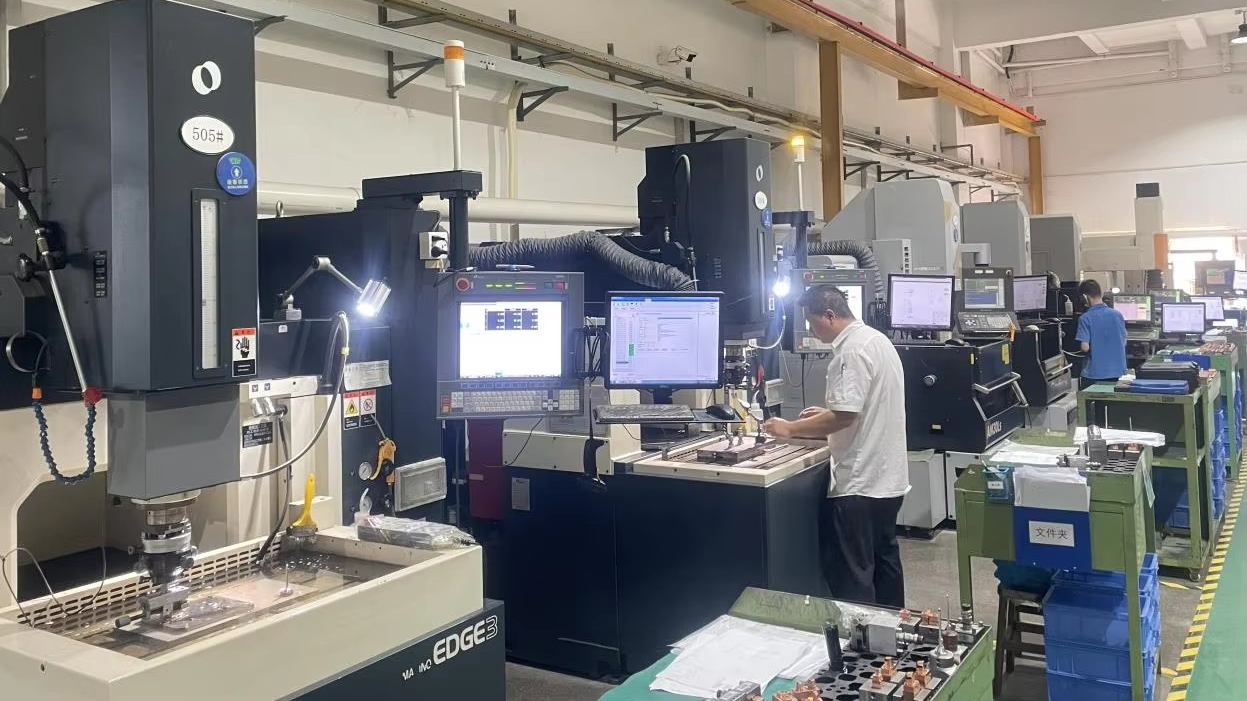
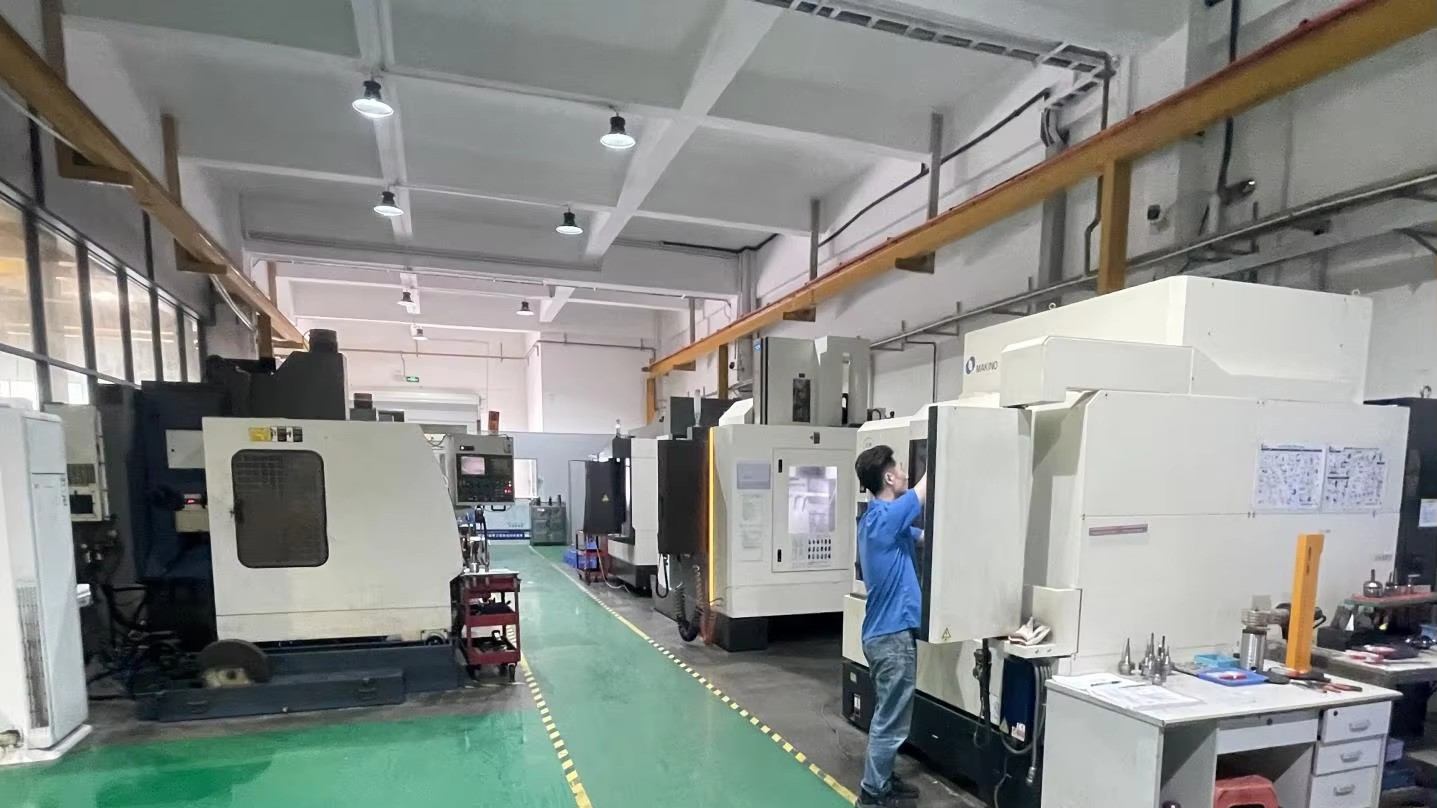
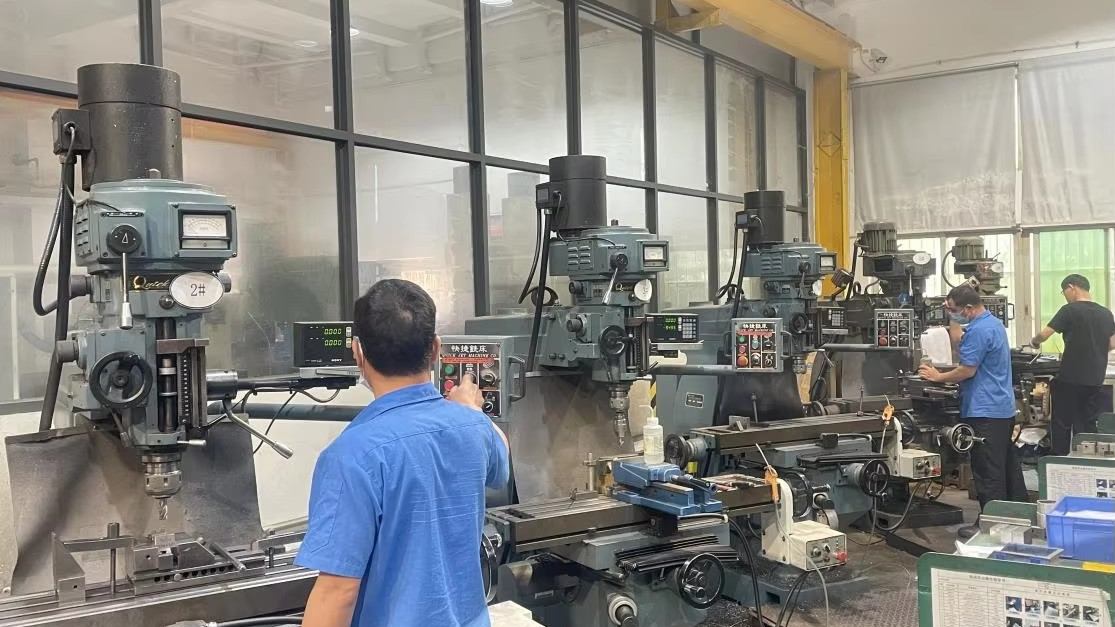
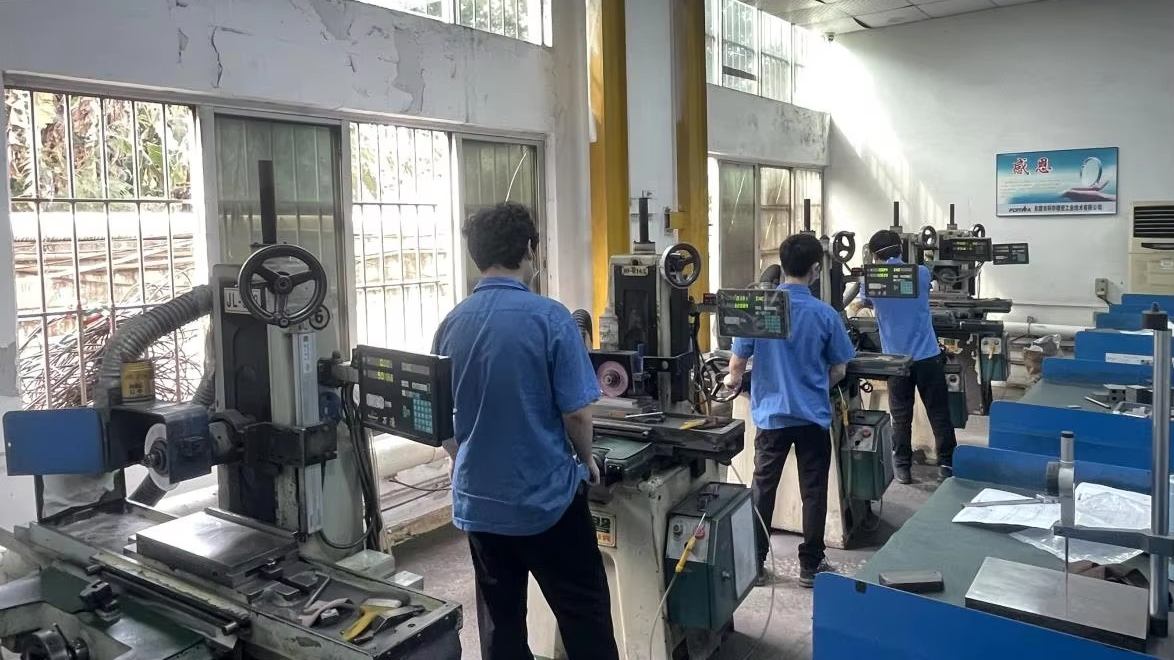
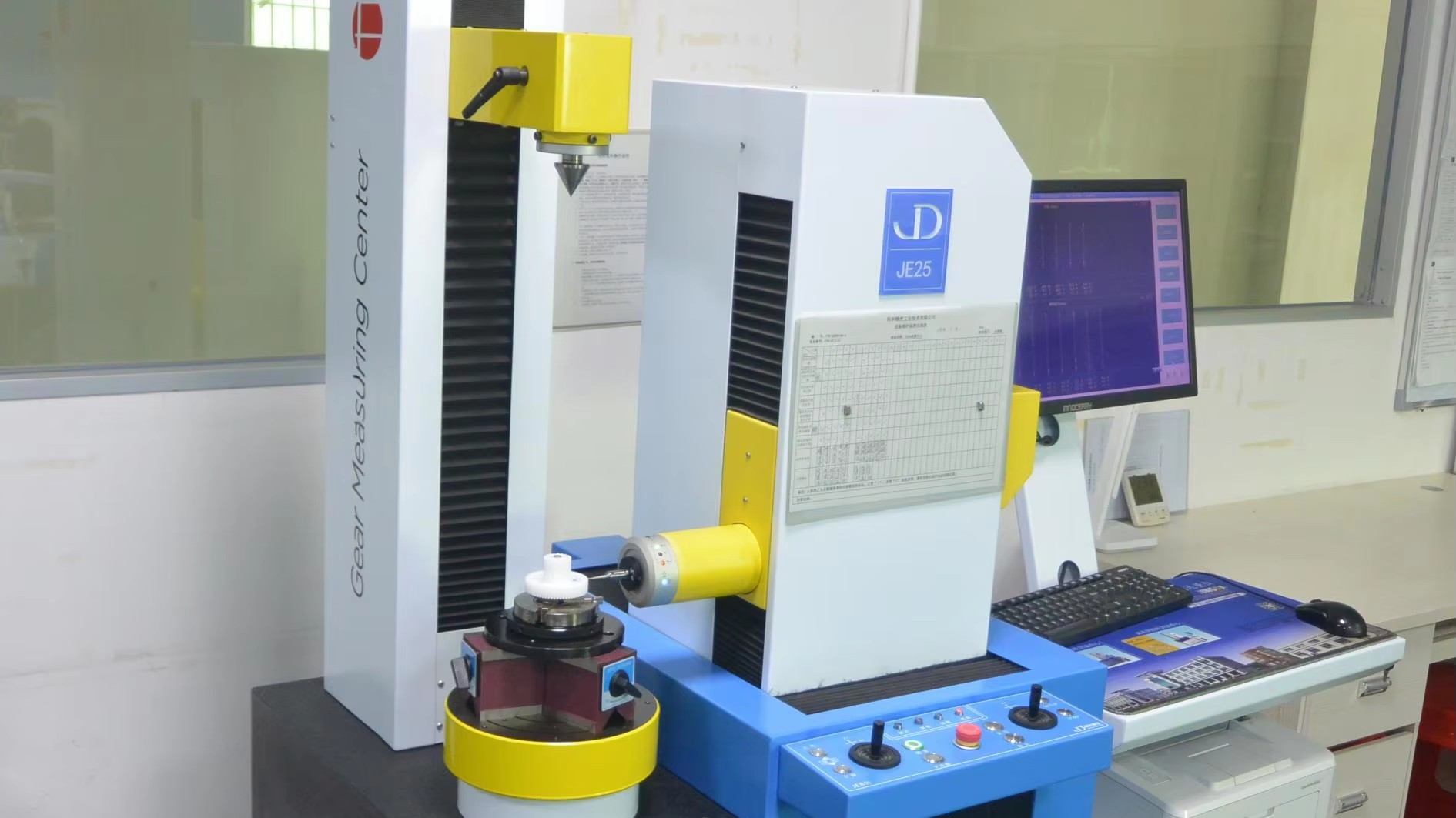
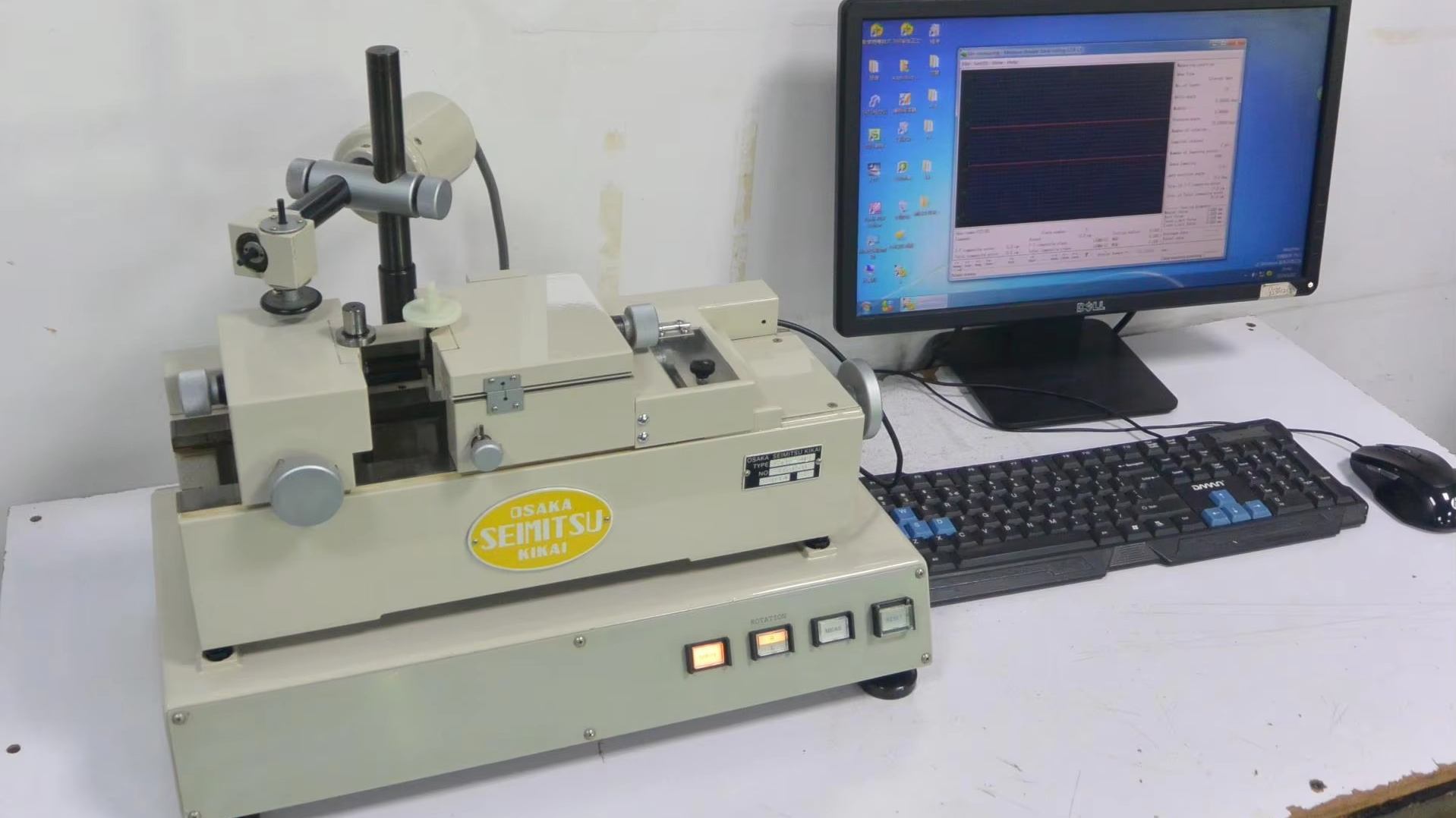
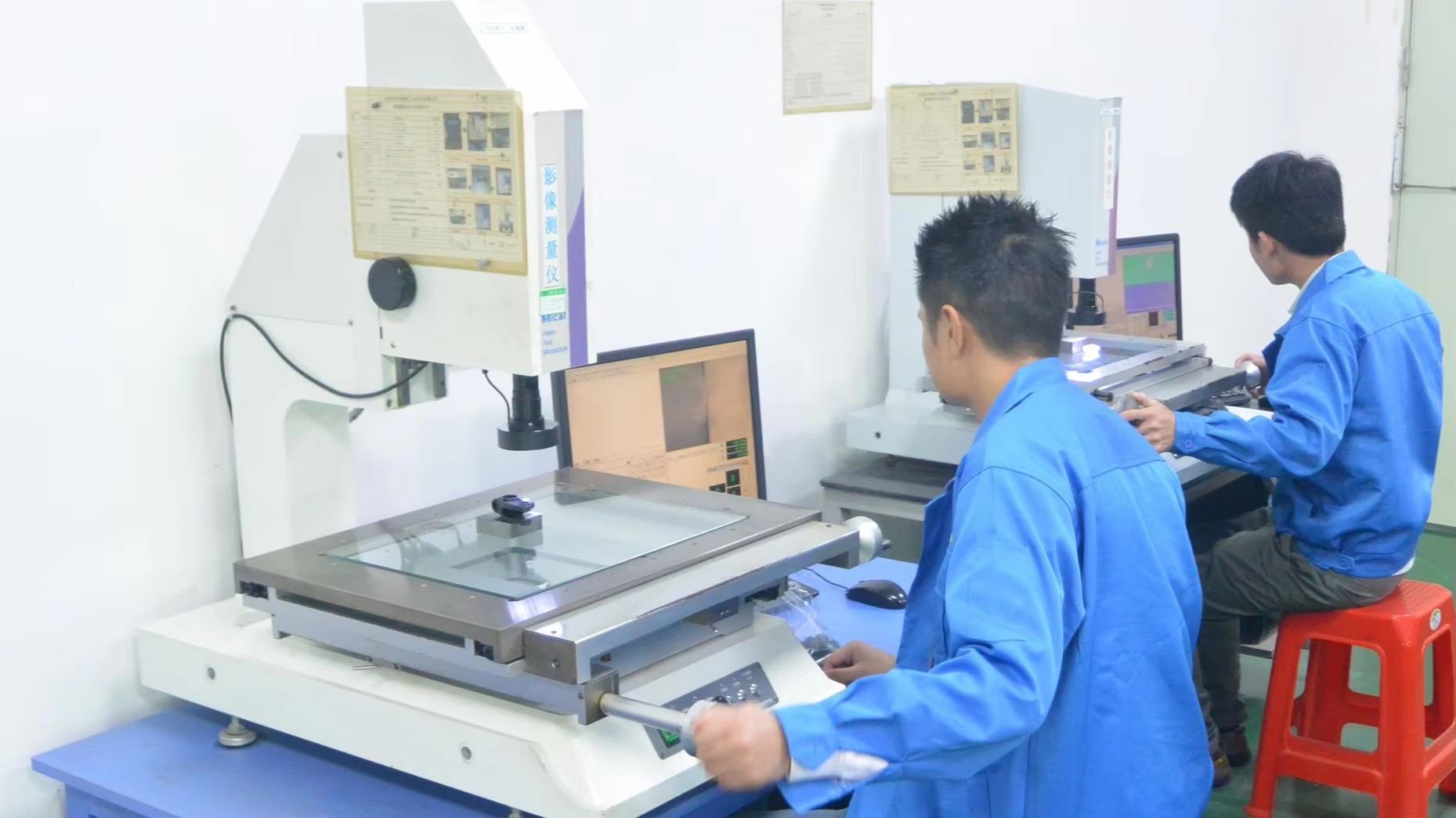
Achieving AGMA (American Gear Manufacturers Association) Class 8 or 9 tolerances in plastic gears requires precise tooling and process control. The mold-making process is critical, demanding specialized EDM (Electrical Discharge Machining) and slow-wire CNC equipment to achieve the correct involute curve profile.
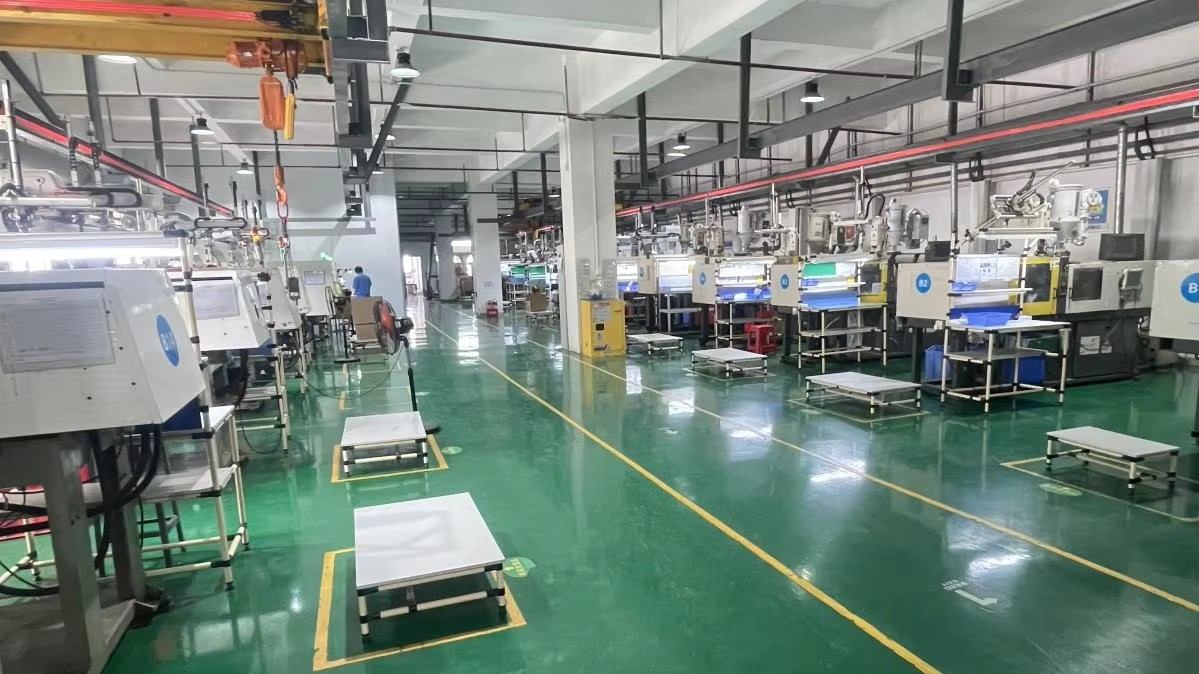
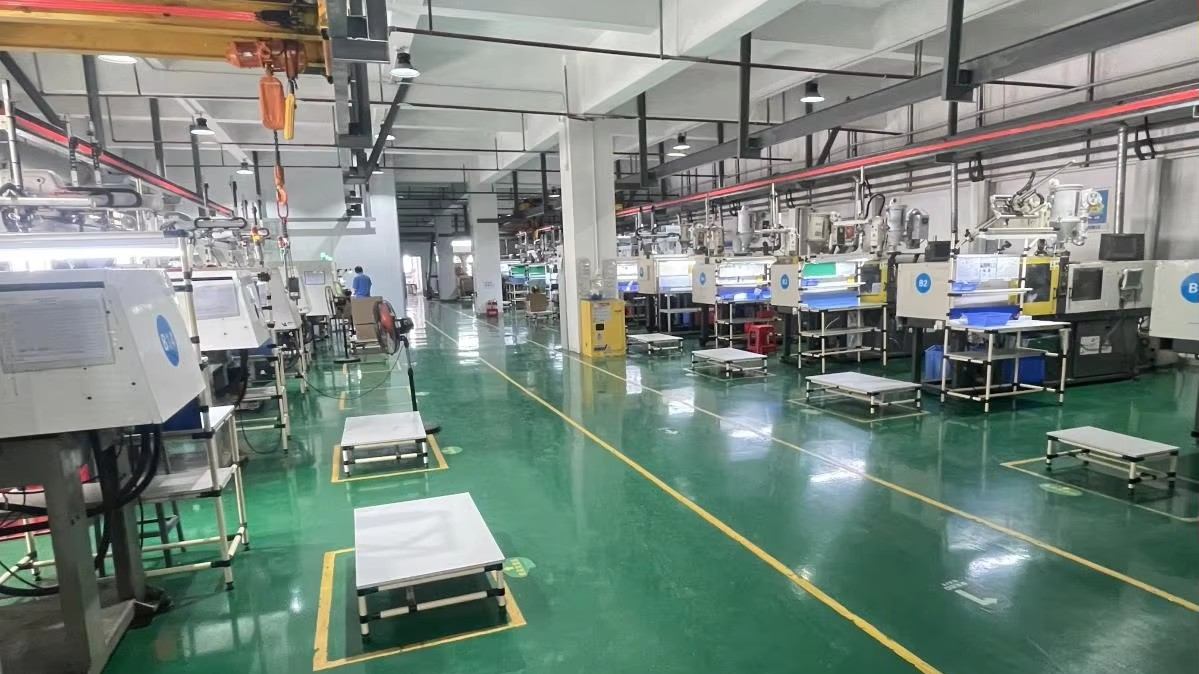
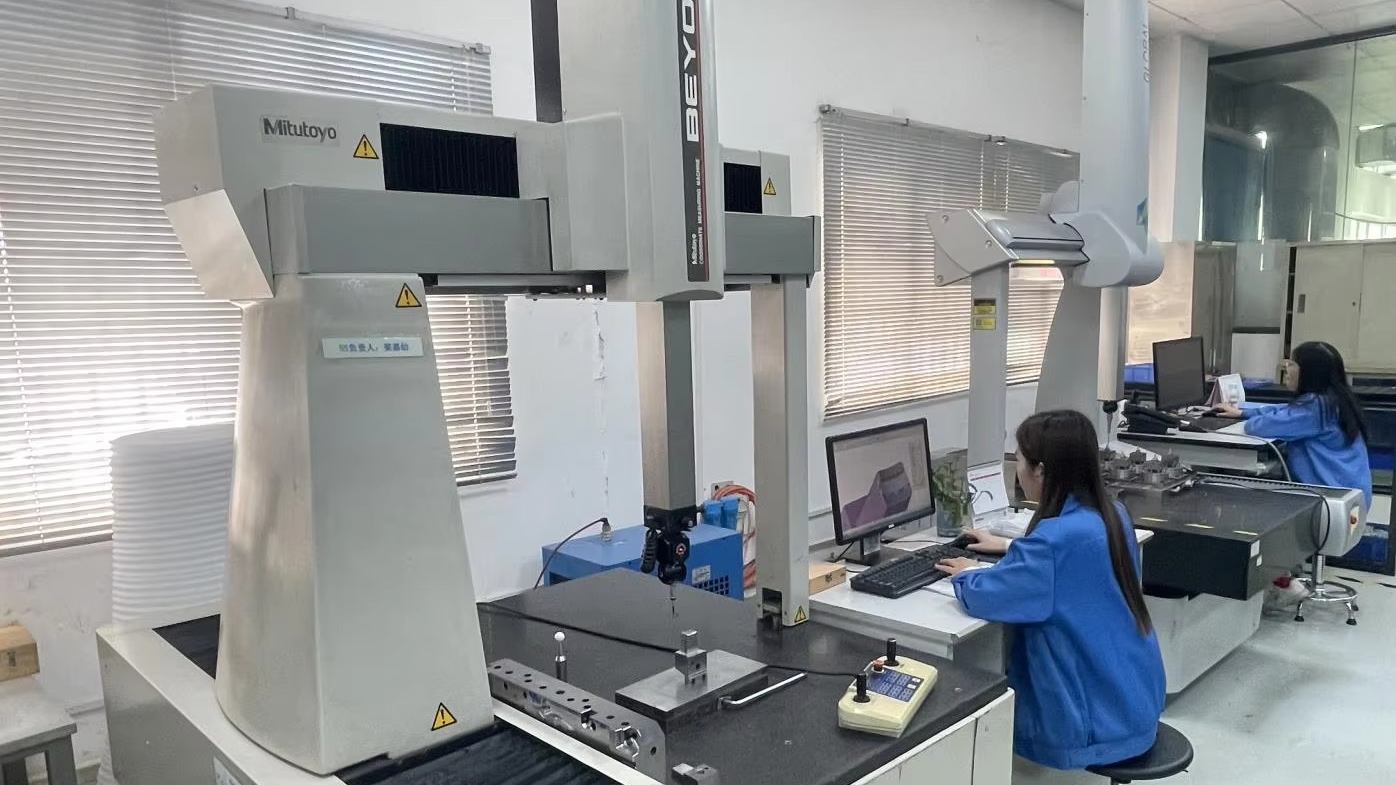
Thermoplastics shrink as they cool during the injection molding process. High-precision gear factories must account for non-uniform shrink rates, especially in thick gear hubs. Our engineering team utilizes advanced Moldflow analysis to optimize gate placements, cycle times, and cooling layouts. This minimizes knit lines and dimensional errors, ensuring high concentricity and uniform performance across every batch.
5. Future Outlook (2025–2030) & High-Precision Innovations
The next decade will see the integration of smart gear concepts and high-performance biopolymers. Smart gears featuring integrated sensors can detect stress, wear, and thermal variance in real-time, sending data back to predictive maintenance systems. Research into biodegradable and recycled engineering polymers is also expanding, enabling sustainable production loops without sacrificing physical performance. Our facility is at the forefront of this transition, qualifying new bio-based POM and recycled Nylon compounds for our global clients.